Introduction to Machhendra Bahal
If you ever find yourself walking from Ason toward Indra Chowk, there’s a magical moment waiting for you. As you stroll along, you might notice a beautifully carved stone pillar with an image of Buddha. That’s your sign—you’ve reached Machhendra Bahal, also known as Jana Bahal, the home of Seto Machhindranath.
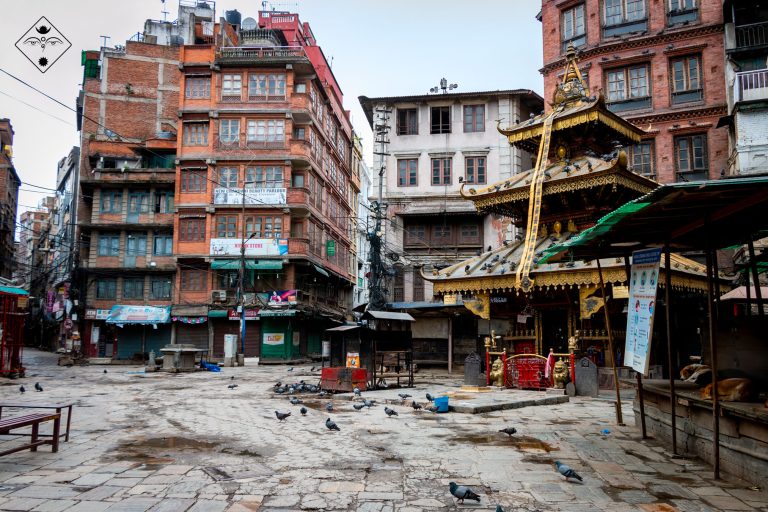
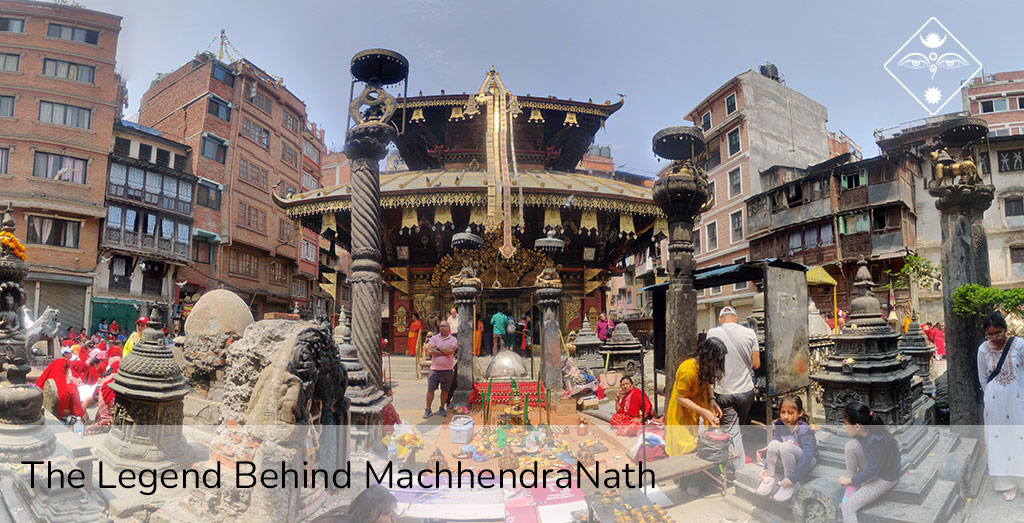
Step through the entrance, and suddenly, the busy streets fade away. You are welcomed into a peaceful courtyard dominated by a grand pagoda-style temple dedicated to Seto Machhindranath. It’s one of those places that instantly makes you pause and take it all in, as you reflect on the significance of Seto Machhindranath.
Historical Significance of Seto Machhindranath
The Legend Behind the Seto Machhindranath
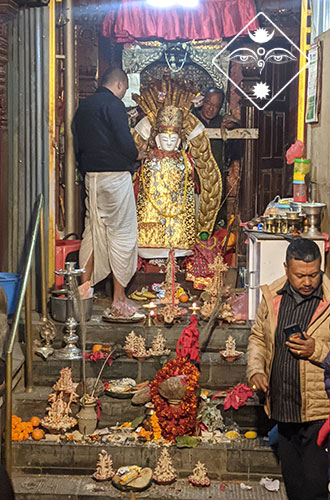
The story of Seto Machhindranath goes way back—believed to have been established in the 10th century. Over time, the deity became deeply respected by both Hindus and Buddhists. Hindus worship him as the god of good health, while Buddhists see him as a form of Avalokiteshvara, the embodiment of compassion.
There’s also an interesting legend tied to the statue. At one point, invaders from western Nepal took the idol as a war trophy and left it near the Kali Gandaki River. But when their kingdom started facing disease and misfortune, they believed the deity was unhappy—and returned it to Kathmandu.
Rediscovery During Yaksha Malla’s Era
For years, the idol remained hidden until it was rediscovered during the reign of Yaksha Malla. That’s when a proper shrine was built, and the temple began to take the form we see today. Since then, it has remained a major spiritual center in Kathmandu.
Religious Importance for Hindus and Buddhists
What makes Machhendra Bahal truly special is its inclusivity. It’s not just a temple—it’s a shared sacred space. People from different religions come here to pray, light incense, and seek blessings.
You’ll notice something unique: there’s no restriction on who can enter. Whether you’re Hindu, Buddhist, or simply curious, you’re welcome. That openness gives the place a warm, inviting vibe that’s rare and refreshing.
Architecture and Temple Experience
Courtyard Atmosphere and Daily Rituals
As you step inside the courtyard, one of the first things you’ll notice is the pigeons. Lots of them. Locals continuously feed them corn, creating a lively yet calming atmosphere.
The temple itself has been recently renovated, and older iron grills (once used to prevent theft) have been removed. Now, the structure feels more open and authentic.
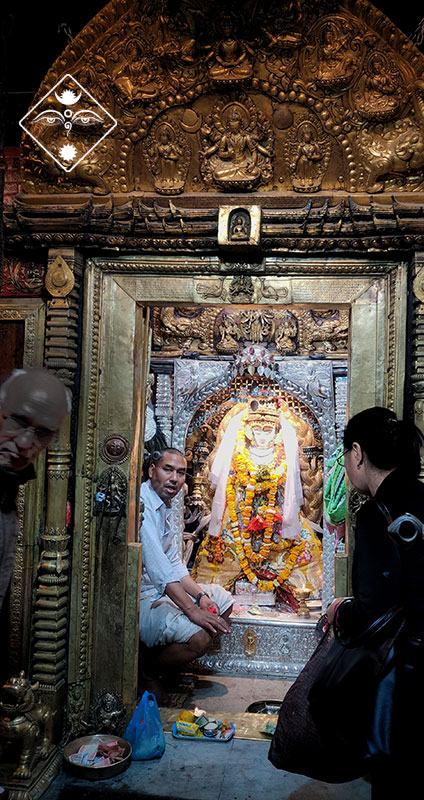
Devotees are always present—no matter the time of day. Some walk in circles around the temple, others light oil lamps, and many quietly offer prayers at the inner sanctum. It’s a constant flow of devotion that never really stops.
Unique Artistic Features
Take a closer look, and you’ll see the walls decorated with gilded images and intricate carvings. The craftsmanship is stunning. Interestingly, there’s even a sculpture that looks surprisingly European. No one knows exactly when it was added, but it’s now part of the temple’s identity—and yes, it’s worshipped just like the others.
The Seto Machhindranath Festival
Chariot Procession and Rituals
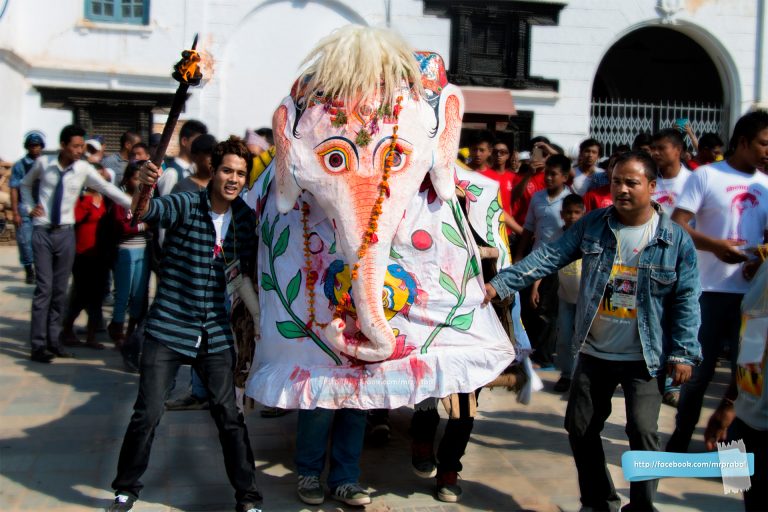
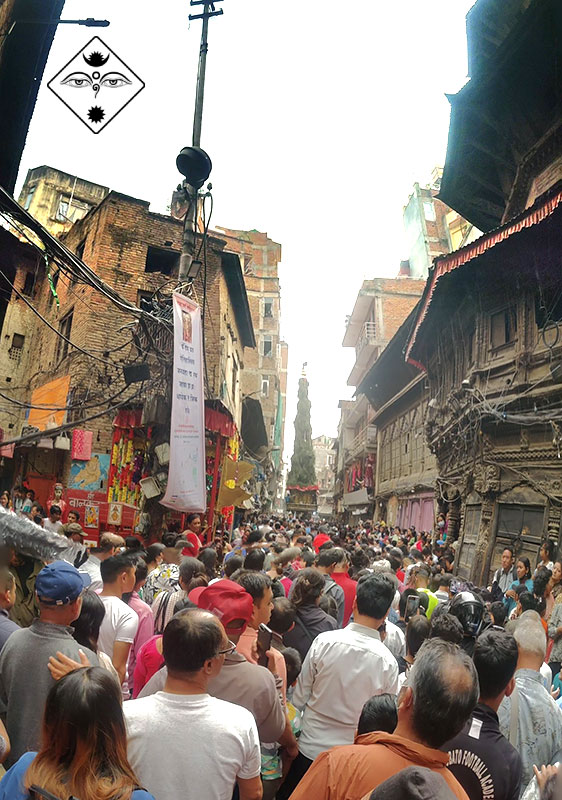
One of the biggest highlights of this temple is the annual Seto Machhindranath festival. Every spring (usually around March or April), the white-painted idol is taken out of the temple and placed on a massive chariot.
Before the procession begins, the deity is bathed and prepared with rituals. Once everything is ready, the chariot journey begins—and it’s a sight you don’t want to miss.
Journey Through Kathmandu Valley
The chariot is pulled through different parts of Kathmandu by groups of devoted locals using large ropes. The journey starts near Durbar Marg, passes through Ason, and eventually reaches Kathmandu Durbar Square.
At each stop, the chariot rests for the day. Devotees gather, offer prayers, and receive prasad from the priest seated atop the chariot. The entire event lasts about four days and creates a festive, spiritual energy across the city.
After the journey ends, the idol is respectfully returned to its home at Machhendra Bahal.
Conclusion
Machhendra Bahal isn’t just another temple—it’s a living piece of Kathmandu’s history and culture. From its deep-rooted legends and shared religious importance to its vibrant festival and peaceful courtyard, it offers something truly special.
If you’re ever exploring the old streets of Kathmandu, don’t just walk past Ason and Indra Chowk—step inside this hidden gem. You’ll not only witness tradition and devotion but also feel a unique sense of calm that stays with you long after you leave.