Introduction to Holi – More Than Just Colors
When you think about the Holi festival, what comes to mind? Bright colors? Water balloons? Loud music? Crazy dancing?
Yes, all of that is true. But Holi is much more than just throwing colors at each other. Known as the “festival of colors,” Holi is one of the most important Hindu festivals celebrated across Nepal and India.
Mythology and folklore aside, Holi is really about forgetting old rivalries, forgiving past mistakes, and celebrating the arrival of spring and harvest season. It’s that time of the year when winter says goodbye and nature starts smiling again.
In Nepal, Holi falls on the full moon day in early March during the Falgun month of the Nepali calendar. That’s why it’s locally called Fagu Purnima or simply Fagu.
Holi in Nepal – The Significance of Fagu Purnima
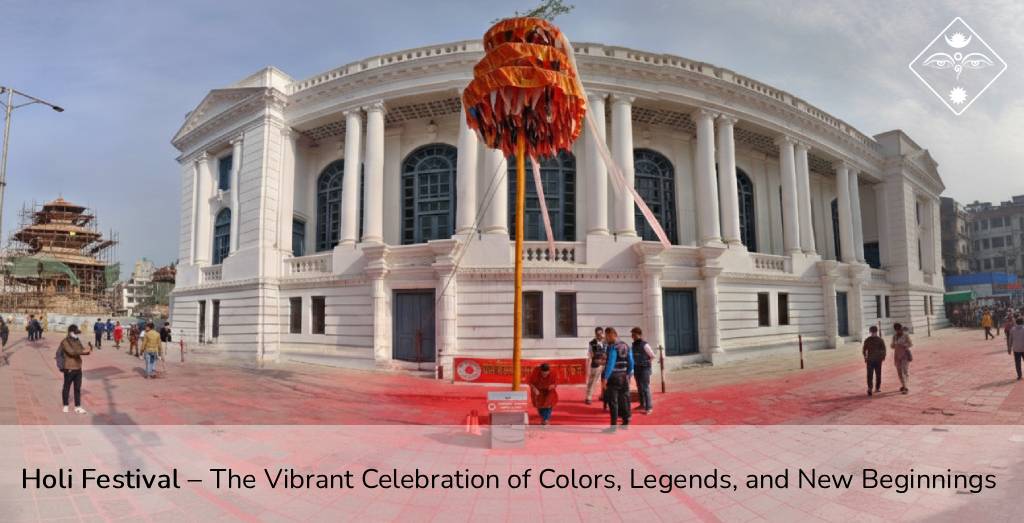
In Nepal, especially in Kathmandu, Holi begins in a unique way. A long bamboo pole known as the “chir” is erected in Basantapur. This pole is decorated with colorful strips of cloth that are considered good luck charms.
This week-long celebration builds excitement until the final day, when people come out in groups to celebrate with colors and water.
The streets become a canvas of splashes—reds, blues, greens, yellows—where everyone looks the same under layers of color. Rich or poor, young or old, everyone joins in. That’s the beauty of Holi. It removes differences and brings people together.
The Legend of Holika and Prahlad – Why Holi Gets Its Name
One of the most famous mythological stories behind Holi is the tale of Holika and Prahlad.
Long ago, there was a powerful demon king named Hiranyakashap. He was granted a special boon by Lord Brahma, which made him nearly impossible to kill. Because of this, he became arrogant and demanded that everyone worship him as a god.
But his own son, Prahlad, refused. Prahlad was a devoted follower of Lord Vishnu. Furious at his son’s devotion, the king tried several times to kill him—but failed each time.
Finally, he sought help from his sister Holika, who had a special gift: she could not be harmed by fire. She sat on a burning pyre with Prahlad on her lap, hoping the flames would kill him.
But something unexpected happened.
Prahlad kept chanting Lord Vishnu’s name, and in the end, Holika burned to death while Prahlad walked out unharmed.
This event symbolizes the victory of good over evil. Even today, bonfires are lit on the eve of Holi to remember this story. It reminds us that arrogance and misuse of power always lead to downfall.
Krishna and the Playful Tradition of Colors
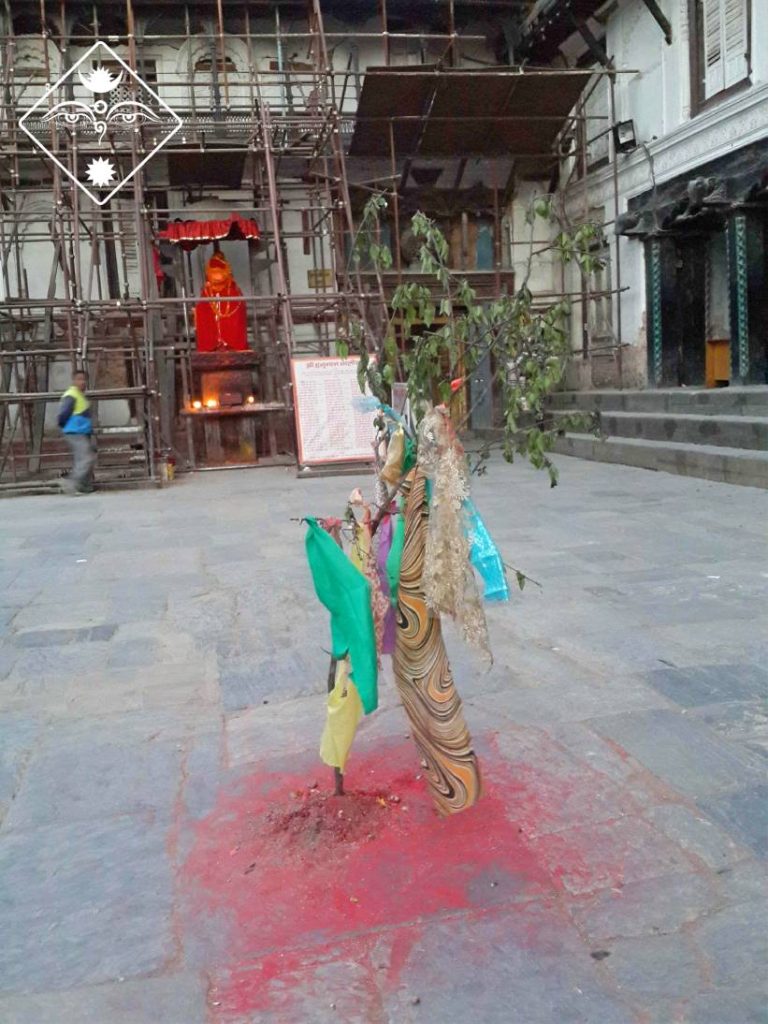
Another popular legend linked to Holi involves Lord Krishna.
Krishna, known for his mischievous and playful nature, once teased the gopinis (female cow herders) by hiding their clothes while they bathed in the holy Yamuna River. He hung their clothes on a tall tree, playfully troubling them.
This story is believed to have inspired the playful teasing and color-smearing traditions of Holi.
The legend also gives young people the freedom to joke, tease, and flirt in a lighthearted way during the festival. It’s one of the few times when social boundaries loosen, and fun takes over.
Modern-Day Holi Celebrations – Colors, Music, and Bhang
Today, Holi is mostly about fun and celebration.
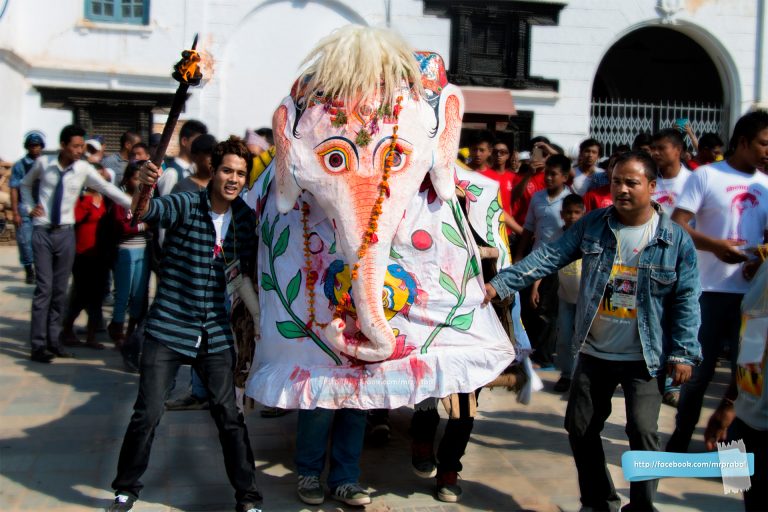
Teenagers and even adults throw water balloons at passers-by. Faces are smeared with bright colors. Loud music fills the air. People dance wildly in the streets.
In some regions, especially in India and parts of Nepal’s Terai, bhang—a traditional intoxicating drink made from the cannabis plant—is consumed during Holi. It has been used for centuries, especially during Shivaratri, and has now become associated with Holi as well.
Pakoras (vegetable tempuras), sweets, and festive snacks add flavor to the celebrations.
Most people wear old, ragged clothes because they know they’ll be covered head-to-toe in colors by the end of the day!
The Real Spirit of Holi – Unity, Forgiveness, and Joy
If you remove the myths and legends, what remains is something simple yet powerful.
Holi is about letting go.
- Letting go of anger.
- Letting go of grudges.
- Letting go of differences.
It’s a reminder that life is colorful. Just like the powders thrown in the air, our lives are made up of different shades—some bright, some dark—but all meaningful.
For one day, people forget status, social barriers, and past conflicts. They hug each other and say, “Happy Holi.” And that hug means forgiveness and friendship.
Conclusion – Celebrating Life in Its Many Colors
At its heart, Holi is more than just a Hindu festival filled with myths and folklore. It is a celebration of life, spring, harvest, love, and unity.
From the story of Holika and Prahlad to Krishna’s playful teasing, Holi carries deep cultural and spiritual meaning. But beyond all that, it gives us something even more important—a reason to come together, laugh loudly, dance freely, and forgive openly.
So the next time you see colors flying in the air, remember: Holi isn’t just about getting messy. It’s about celebrating life in all its beautiful, messy, vibrant colors.