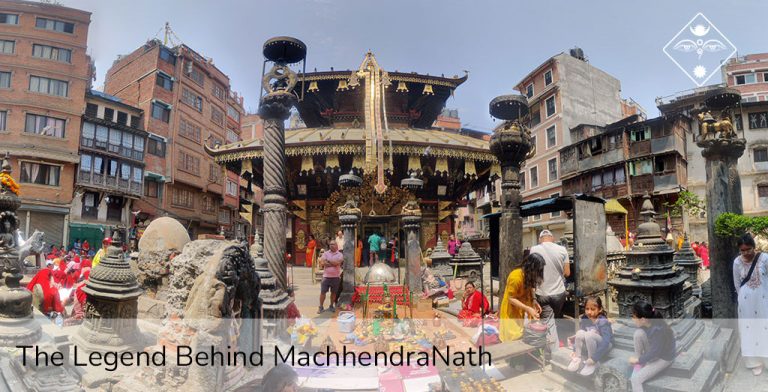
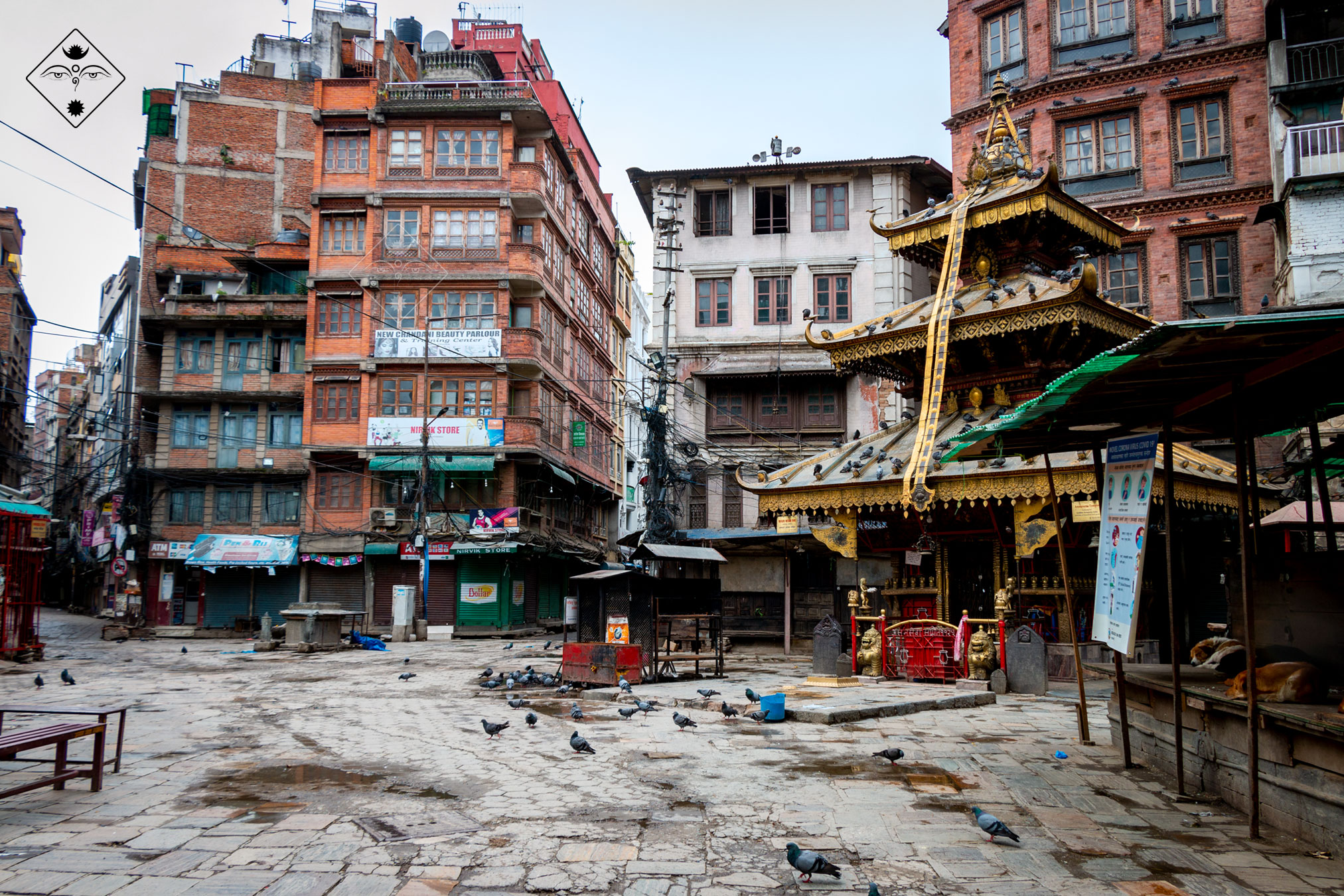
In the center of Kathmandu, in the busy Ason market, stands an ancient temple dedicated to a full pot of grains, known as the “Purna Kalash.” This pot symbolizes abundance, prosperity, and, most importantly, food security. The exact age of the temple is unknown, but many believe it is as old as Kathmandu itself, making it an important part of the city’s history and culture.
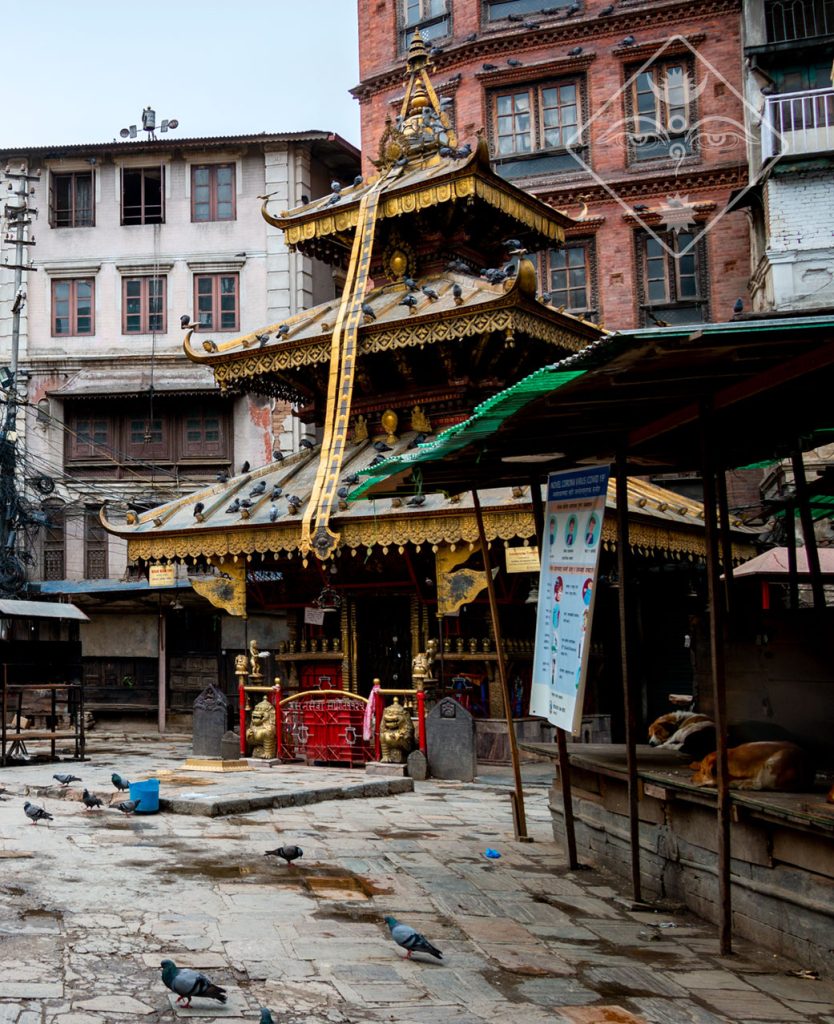
Every day, people gather at the Ason Temple to light butter lamps, offer their prayers, and walk around the three-story pagoda structure in a clockwise direction. They pay their respects to the silver pot, which is always full of grains. This ritual reflects one of the highest hopes for many people: to have enough food and never see their families go hungry. The temple is a reminder of the importance of food security in daily life.
In Kathmandu, many temples are built for specific purposes. Some are believed to cure diseases, others prevent toothaches, and many are dedicated to keeping children healthy. The Ason Temple, however, is unique because it focuses on ensuring that no one goes hungry. It serves as a spiritual symbol for self-sufficiency in food and the well-being of families.
Ason Market: A Hub of Trade and Life
The temple is located in Ason, one of Kathmandu’s oldest and busiest markets. Here, you can find everything from seasonal mushrooms and fresh vegetables to dried spices, beans, and other essentials. Ason is a lively crossroads where people come to buy and sell, and it is often said that all roads either lead to or from Ason. The market is always bustling, with side streets filled with vendors selling everything from gold and silver to everyday items like rice cookers and shoes.
In addition to the temple, Ason use to be a center of trade, connecting the ancient trade routes between India and Tibet or between the cities in Nepal. For centuries, traders passed through Ason, bringing goods from distant lands. These traders made long and difficult journeys, often lasting months, to ensure their families’ food security and livelihoods.
A Deeper Meaning: Balance in Life
The Ason Temple is not just about food—it also carries a deeper message about balance in life. If you look closely at the metal bar that surrounds the temple, you will see two statues. One statue shows a person who is starving, while the other depicts someone who is obese. These two figures serve as a reminder of the middle path taught by Buddha: too little or too much food can be harmful. The temple encourages people to live in balance and to avoid extremes.
In Nepal today, this message is still relevant. A significant portion of the population struggles with food insecurity, not having enough to eat. At the same time, in wealthier circles, food waste is common, and an increasing number of people face health issues related to obesity. For some, wasting food is seen as a sign of prosperity, but the temple’s statues serve as a reminder that wasting food and overeating are not signs of a balanced or healthy life.
Nepal’s Changing Relationship with Food
Nepal has long been a country that prided itself on being self-sufficient in food. In the past, it was known as “Annapurna,” meaning “abundance of food.” However, this is changing. In many parts of Nepal, especially in the hills and mountains, families can no longer rely solely on agriculture to feed themselves year-round. People in these areas now often depend on additional income from livestock, trading, or other forms of work to meet their food needs.
For centuries, traders from Kathmandu and other parts of Nepal made long journeys, trading goods to ensure that their families would have enough to eat. Today, many communities still rely on livestock for milk, meat, and wool, as well as the manure needed to replenish the soil. But despite these efforts, food security is becoming a growing concern in modern Nepal.
The Ason
The Ason Temple in Kathmandu is not just an ancient structure—it represents a deep connection between spirituality, food security, and balance in life. As Nepal’s relationship with food and agriculture continues to change, the temple remains a powerful symbol of the importance of ensuring that no one goes hungry and that we all live in balance.
In the heart of a busy market where trade thrives, the temple stands as a reminder that food security is a goal worth striving for, and that excess and scarcity should be avoided. It teaches us the value of gratitude for what we have and the importance of mindful living in a rapidly changing world.